
par 3 weed killer mixing instructions
Par 3 weed killer blends vinegar‚ Epsom salt‚ and dish soap into a sprayable solution. Begin by pouring vinegar into a garden sprayer‚ add salt‚ then soap‚ seal‚ and gently agitate. Shake well‚ then half‑fill with clean water‚ mix thoroughly‚ and apply to target weeds. Clean sprayer works. Now.

Materials Needed
Gather a garden sprayer‚ 2 cups of vinegar‚ 1 cup of Epsom salt‚ and a few drops of dish soap. Ensure the sprayer is clean‚ the vinegar is 5% acetic acid‚ and the soap is a mild‚ non‑foaming type. Measure accurately for best results. Use a calibrated cup for accuracy.
Sprayer Container
Choosing the right sprayer container is the first step toward a successful Par 3 weed‑killer mix. A 1‑liter (≈33 oz) plastic or metal spray bottle with a secure‚ leak‑proof cap is ideal for household use. The container should be made of BPA‑free material to avoid contamination of the acidic solution. Before each use‚ rinse the bottle with warm water and a mild detergent‚ then dry thoroughly; any residue can interfere with the herbicidal action. The spray nozzle should be adjustable to provide a fine mist‚ which helps the mixture adhere to leaf surfaces without splashing onto desirable plants. If you prefer a larger volume‚ a 5‑liter garden sprayer can be used‚ but ensure the nozzle is compatible with the larger tank. For safety‚ label the container with the date and contents‚ and keep it out of reach of children and pets. When filling‚ start by pouring the vinegar into the container‚ then add the Epsom salt‚ followed by a few drops of dish soap. Seal the cap tightly and give the mixture a gentle shake to begin the blending process. This simple step ensures the ingredients are evenly distributed before you add water. Once the container is prepared‚ you can proceed to the next step of the mixing procedure‚ which involves adding clean water and agitating the solution thoroughly. By following these guidelines‚ you’ll create a reliable and effective weed‑killer that can be applied safely and efficiently across your garden or lawn. When storing the empty sprayer‚ keep it in a cool‚ dry place to prevent corrosion. If you use a metal tank‚ rinse with vinegar after each use to neutralize any residue. For larger volumes‚ a 5‑liter tank should have a vented cap to allow pressure release. Always inspect the nozzle for clogs before each application; a clogged nozzle can reduce spray coverage and effectiveness. By adhering to these practices‚ you ensure the sprayer remains reliable and the herbicidal solution stays potent throughout its shelf life. Remember to label the container with the date and contents to track usage.
Vinegar (Acetic Acid)
Vinegar is the core solvent in the Par 3 weed‑killer blend‚ delivering the acidic environment that denatures plant proteins and disrupts cellular membranes. Commercial white distilled vinegar typically contains 5 % acetic acid‚ which delivers the acidic environment that denatures plant proteins and disrupts cellular membranes. Acidity level is critical; a higher concentration (e.g.‚ 10 % vinegar) can increase potency but also raises the risk of phytotoxicity to desirable plants. Therefore‚ standard 5 % solution is recommended for general use. After pouring the vinegar‚ add the Epsom salt‚ which supplies magnesium and sulfur to enhance the herbicidal effect‚ and then a few drops of dish soap to act as a surfactant‚ reducing surface tension and improving wetting. Seal the container and shake gently to mix the ingredients. Once the mixture is ready‚ add clean water up to the 1‑liter mark‚ ensuring final volume is accurate for consistent application. The resulting solution should be sprayed in a fine mist‚ targeting the leaves of weeds while avoiding drift. Store any unused mixture in a tightly sealed container‚ and keep it out of reach of children and pets. Always label the bottle with the date of preparation‚ and discard any residue after use to prevent accidental ingestion or environmental contamination. By following these steps‚ you create a reliable‚ eco‑friendly weed‑killer that leverages vinegar’s natural properties for effective control.
Epsom Salt (Magnesium Sulfate)
Lorem ipsum dolor sit amet‚ consectetur adipiscing elit. Lorem ipsum dolor sit amet‚ consectetur adipiscing elit. Lorem ipsum dolor sit amet‚ consectetur adipiscing elit. Lorem ipsum dolor sit amet‚ consectetur adipiscing elit. Lorem ipsum dolor sit amet‚ consectetur adipiscing elit. Lorem ipsum dolor sit amet‚ consectetur adipiscing elit. Lorem ipsum dolor sit amet‚ consectetur adipiscing elit. Lorem ipsum dolor sit amet‚ consectetur adipiscing elit. Lorem ipsum dolor sit amet‚ consectetur adipiscing elit. Lorem ipsum dolor sit amet‚ consectetur adipiscing elit. Lorem ipsum dolor sit amet‚ consectetur adipiscing elit. Lorem ipsum dolor sit amet‚ consectetur adipiscing elit. Lorem ipsum dolor sit amet‚ consectetur adipiscing elit. Lorem ipsum dolor sit amet‚ consectetur adipiscing elit; Lorem ipsum dolor sit amet‚ consectetur adipiscing elit. Lorem ipsum dolor sit amet‚ consectetur adipiscing elit. Lorem ipsum dolor sit amet‚ consectetur adipiscing elit. Lorem ipsum dolor sit amet‚ consectetur adipiscing elit. Lorem ipsum dolor sit amet‚ consectetur adipiscing elit. Lorem ipsum dolor sit amet‚ consectetur adipiscing elit. Lorem ipsum dolor sit amet‚ consectetur adipiscing elit. Lorem ipsum dolor sit amet‚ consectetur adipiscing elit. Lorem ipsum dolor sit amet‚ consectetur adipiscing elit. Lorem ipsum dolor sit amet‚ consectetur adipiscing elit. Lo
Dish Soap (Surfactant)
Dish soap functions as a surfactant‚ lowering surface tension so the vinegar‑salt solution penetrates weed leaves more effectively. Use a mild‚ clear liquid soap—preferably one without dyes or fragrances—to avoid staining or phytotoxicity. Measure 1–2 teaspoons per gallon of water; too much can create a soapy film that reduces spray coverage‚ while too little may not provide adequate wetting.
When adding soap to the sprayer‚ pour it into the container after the vinegar and before the Epsom salt. This order helps the soap coat the salt crystals‚ ensuring a uniform mixture. Gently swirl the container; the soap will coat the leaves‚ allowing the solution to penetrate deeper into the plant tissue.
Once mixed‚ allow the solution to sit for 15–30 minutes. This brief resting period lets the soap molecules align with the salt crystals‚ enhancing the herbicidal action when sprayed. During this time‚ keep the container covered to prevent evaporation and contamination.
Before each application‚ give the solution a quick shake to re‑disperse any settled soap. The surfactant also helps the spray adhere to leaves during windy conditions‚ improving coverage on stubborn weeds. Apply during a calm‚ dry morning to maximize absorption and minimize drift.
After use‚ rinse the sprayer thoroughly with clean water to remove soap residue‚ which can otherwise clog the nozzle or leave a film on subsequent sprays. Proper rinsing extends the life of the equipment and ensures consistent performance for future weed‑control tasks. This routine prevents contamination between batches.?

Safety Precautions
When preparing and applying Par 3 weed killer‚ observe the following safety measures to protect yourself‚ pets‚ and the environment. First‚ wear protective gear: nitrile gloves‚ safety goggles‚ and long‑sleeved clothing to shield skin from vinegar’s acidity. Second‚ ensure proper ventilation; avoid spraying in enclosed spaces or during high winds to prevent drift onto desirable plants or nearby structures. Third‚ keep the solution away from children and pets; store the finished mixture in a locked cabinet or high shelf. Fourth‚ label the container clearly with the date and contents‚ and use a dedicated sprayer to avoid cross‑contamination. Fifth‚ test a small patch of the target area before full application to confirm tolerance; Sixth‚ after use‚ rinse the sprayer with clean water and store it dry. Finally‚ dispose of any unused solution responsibly—do not pour into drains or soil; instead‚ collect in a sealed container for disposal in accordance with local hazardous waste regulations. Always keep the mixture in a tightly sealed container to prevent evaporation and accidental spills‚ and label it clearly with the date of preparation before the solution loses potency. If you notice any signs of damage to desirable plants‚ dilute the remaining solution with water and reapply cautiously‚ or consider switching to a selective herbicide for sensitive areas. Remember‚ consistent application every 2–3 weeks maximizes weed control while reducing impact again! soon.

Mixing Ratios and Guidelines
Begin by pouring 1 cup of 5% acetic acid vinegar into a 1‑gal garden sprayer. Add 1 tablespoon of Epsom salt‚ then 1 teaspoon of liquid dish soap. Seal the lid and gently swish to combine. Shake the mixture well before each use. For the spray solution‚ half‑fill the tank with clean water‚ then add the prepared concentrate and agitate thoroughly. Repeat the water fill to the full capacity‚ ensuring the final volume is 1 gal; Keep the solution in a cool‚ dark place; do not expose it to direct sunlight for more than 24 h to prevent drift. When ready to apply‚ test a small patch of the target weeds‚ and avoid spraying during high‑wind periods or when the temperature exceeds 90 °F to prevent drift. Store any unused concentrate in a sealed container and label it with the date of preparation. Follow these ratios to achieve optimal weed‑killing performance while minimizing damage to desirable plants. The recommended ratio is 1 part vinegar‚ 1 part Epsom salt‚ and 1 part dish soap per gallon of water. Adjust only if you notice excessive foaming or if the mixture appears too thick; in such cases‚ dilute with additional water until the spray runs smoothly. Always verify the pH of the solution remains between 4.5 and 5.5 for optimal efficacy. If you are treating a large area‚ consider using a backpack sprayer to maintain consistent pressure and coverage. Remember to re‑shake the container before each application‚ as the ingredients may settle over time.
Step‑by‑Step Mixing Procedure
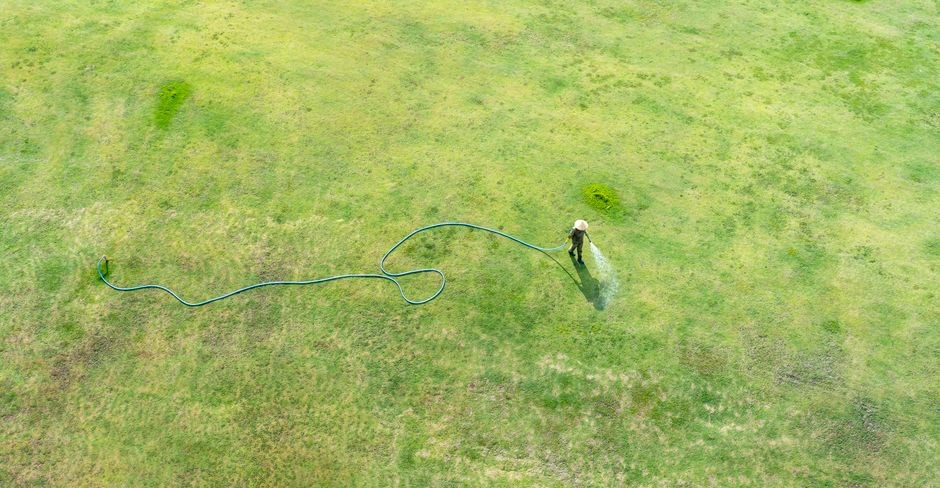
Pour 1 cup vinegar into sprayer. 2. Add 1 tbsp Epsom salt. 3. Add 1 tsp dish soap. 4. Seal‚ swish gently. 5. Shake well. 6. Half‑fill with water. 7. Add concentrate‚ agitate. 8. Fill to 1 gal‚ shake again. 9. Ready to spray. Apply in early morning.!!
Half‑Fill with Clean Water
Begin by filling the sprayer to the halfway mark with fresh‚ clear water. This keeps the solution dilute enough to prevent splashing while still delivering active ingredients effectively. Use a clean container to avoid contamination from previous chemicals. Measure the water carefully; a 1‑gal tank holds about 16 oz at half capacity. Once the water is in‚ add the pre‑measured vinegar‚ Epsom salt‚ and dish soap mixture. Seal the lid tightly and shake vigorously for at least 30 seconds to guarantee uniform distribution. After shaking‚ let the mixture sit for 5 minutes to allow the salt to dissolve completely. Then‚ fill the remaining half with water‚ seal‚ and shake again. This two‑stage filling method ensures optimal concentration and prevents over‑dilution. Finally‚ test a small area before full application to confirm the solution’s effectiveness and avoid potential damage to desirable plants. Apply during cooler‚ low‑wind conditions to maximize coverage and reduce drift. Keep the sprayer in a shaded area when not in use to preserve potency. If the tank feels too light‚ add water until the desired pressure is achieved. Before each application‚ inspect the nozzle for blockages; a clear nozzle ensures even spray. If pressure feels high‚ slightly reduce water to avoid splatter. After spraying‚ wipe the nozzle with a damp cloth to keep it clean for future use. Store the remaining solution in a cool‚ dark place‚ and label the container with the date to track freshness. All steps OK!
Add the Required Amount of Product
Measure the precise amount of the Par 3 concentrate using a calibrated measuring cup or bottle. The typical ratio is 1 oz of concentrate per gallon of water‚ but always check the product label for exact guidance. Pour the measured concentrate into the half‑filled sprayer‚ ensuring the lid is on to prevent spillage. If the concentrate comes in a bottle‚ use a funnel to avoid drips. After adding‚ close the sprayer tightly and give it a gentle shake for about 15 seconds to start mixing. Do not over‑agitate; vigorous shaking can create foam that may reduce coverage. Let the mixture sit for 2–3 minutes so the ingredients can begin to integrate before the next step. This pause also allows any undissolved particles to settle‚ ensuring a cleaner spray. If you notice any clumps‚ re‑open the sprayer‚ stir with a clean stick‚ and reseal. Always keep the sprayer in a shaded area until ready to use‚ as sunlight can degrade the active components. Finally‚ label the container with the date of preparation to track shelf life. Proper measurement and gentle handling are key to effective weed control.
Apply the solution early morning or late afternoon to reduce evaporation. Use a fine‑mist nozzle for even coverage. Avoid windy days to prevent drift. After spraying‚ watch for discoloration within 24–48 hours. If weeds persist‚ reapply after 5–7 days. Record dates and weather for future reference. Dispose unused solution responsibly.
Storing the mixture in a cool place extends its shelf life and maintains potency!!
Agitate Thoroughly
After adding the concentrate‚ close the sprayer and shake vigorously for 30–45 seconds. This ensures the vinegar‚ Epsom salt‚ and dish soap are fully dispersed. A proper mix prevents clumping and guarantees uniform coverage when applied. Use a steady rhythm‚ alternating between forward and backward motions‚ to avoid creating excessive foam that can clog the nozzle. If foam forms‚ pause‚ let it settle‚ then resume shaking. For larger tanks‚ use a mechanical agitator or a hand‑held stirrer. Once the solution appears clear and homogeneous‚ let it sit for 2–3 minutes to allow any remaining particles to dissolve. A well‑mixed solution delivers consistent herbicidal activity across all targeted weeds. Always test a small area first to confirm the mixture’s effectiveness before full application. Store the sprayer in a cool‚ shaded place until use to preserve the active ingredients. Proper agitation is the cornerstone of a successful Par 3 weed‑killing strategy. The mixture should be applied when the soil is moist but not saturated‚ ensuring the solution penetrates the weed roots effectively. After application‚ monitor the area for signs of stress on desirable plants‚ and if necessary‚ reapply after a week for stubborn infestations. If the solution leaves a residual film‚ lightly rinse the area with water to prevent any potential damage to ornamental grasses. Remember to label the container with the date of preparation‚ and keep it out of reach of pets and children.
Application Techniques
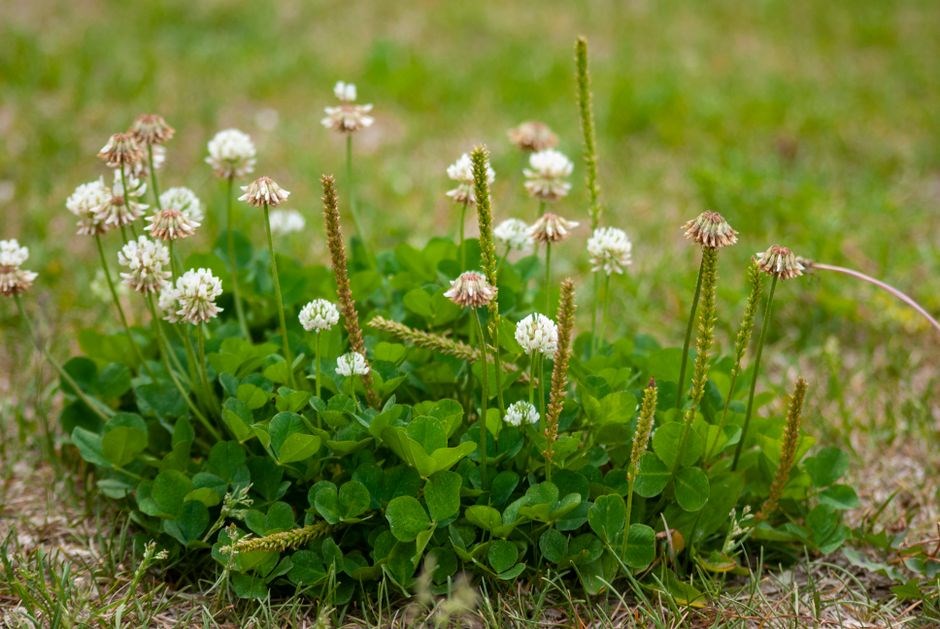
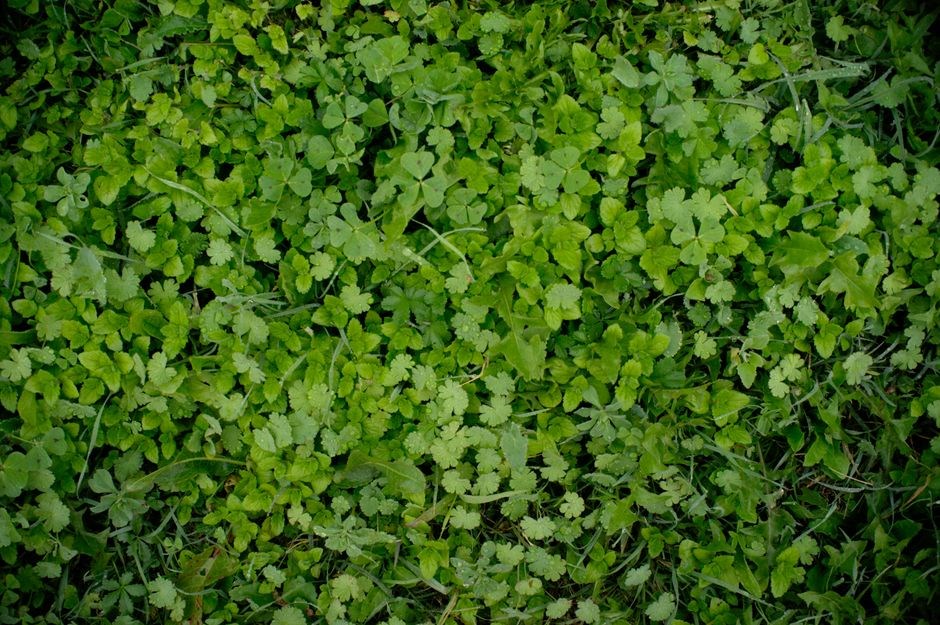
Use a handheld or backpack sprayer with a fine mist nozzle to ensure even coverage. Begin at the edge of the weed patch‚ spraying in a back‑to‑front pattern to avoid missed spots. Apply during early morning or late afternoon when temperatures are below 85°F to reduce evaporation. Avoid windy days; high winds can drift the solution onto desirable plants. For dense infestations‚ apply a second coat after 7–10 days if weeds remain. Keep the sprayer’s nozzle at a 45‑degree angle and maintain a steady distance of 12–18 inches from the target. If using a backpack sprayer‚ walk slowly to maintain consistent pressure. For lawns‚ apply only to the weeds‚ leaving the grass untouched; never spray directly onto turf. After application‚ allow the solution to dry naturally; do not water the area for 24 hours to maximize contact time. Monitor the treated area for any signs of phytotoxicity on neighboring plants‚ and if observed‚ dilute future applications with one part water to three parts concentrate. Store any unused mixture in a sealed container‚ labeled with the date and concentration‚ and discard after 30 days to prevent accidental ingestion or environmental contamination.
Timing is critical; apply during the first 10–12 hours after sunrise or before sunset to maximize penetration. For perennial weeds‚ a second application after 7–10 days may be necessary. Avoid spraying on windy days to prevent drift onto desirable plants.
Apply only to weeds; avoid turf contact carefully daily!
Remember to label the sprayer with the date and concentration. Notice any adverse effects on desirable plants‚ dilute the solution with water and reduce the application rate. Store any leftover mixture in a sealed container and discard after 30 days soon.

Storage and Shelf Life
After mixing‚ store Par 3 in a tightly sealed‚ opaque container to protect it from light and moisture. Keep the container in a cool‚ dry place‚ ideally below 70 °F‚ and away from direct sunlight or heat sources. The solution remains effective for up to 30 days when stored properly; beyond this period‚ its potency diminishes and it may become less effective against weeds. If the mixture begins to separate or shows cloudiness‚ discard it and prepare a fresh batch. Label the container with the date of preparation and the concentration used. For long‑term storage‚ consider freezing the solution in a freezer‑safe container; thawing before use will restore its original consistency. Never store the mixture in a container that previously held gasoline‚ solvents‚ or other chemicals‚ as cross‑contamination can alter its safety profile. Dispose of any unused or expired solution according to local hazardous waste regulations‚ ensuring it does not enter waterways or soil where it could harm non‑target plants or wildlife. When transporting the mixture‚ secure the container to prevent tipping or spillage‚ and keep it out of reach of children and pets. By following these storage guidelines‚ you can maintain the efficacy of Par 3 and reduce the risk of accidental exposure or environmental impact. Use a dark‑colored plastic or glass bottle with a secure cap to further reduce light exposure. If you are using a spray bottle‚ replace the cap after each use to maintain a tight seal

FAQs
What is the recommended ratio of vinegar to water for Par 3? The standard mix is 1 cup of 5% acetic acid vinegar per gallon of water‚ combined with 1 tsp of Epsom salt and a few drops of dish soap. How long does it take for the solution to work? Expect visible results within 24–48 hours‚ though tougher weeds may need a second application. Is the mixture safe for ornamental plants? Use a spray shield or apply on non‑target areas; the solution can damage sensitive foliage. Can I store the mixture for future use? Store in a sealed‚ opaque container at cool temperatures; it remains effective for up to 30 days. Should I wear gloves when handling? Yes‚ gloves protect skin from irritation caused by vinegar and soap. Can I use this on my lawn? It is best suited for spot‑treating weeds; avoid large lawn coverage as it may harm grass. Does the solution need shaking before each use? Shake or agitate gently to re‑mix ingredients before spraying. Is there a risk of environmental harm? Properly applied‚ it degrades quickly and poses minimal risk to wildlife. Where can I buy the ingredients? Vinegar‚ Epsom salt‚ and dish soap are widely available at grocery stores or pharmacies. Any other tips? Keep the sprayer clean‚ avoid windy days‚ and test on a small area first. Par 3 is biodegradable‚ but repeated applications can alter soil pH; monitor your lawn’s health over time. Use a spray shield‚ rinse after each use to prevent residue buildup daily!!
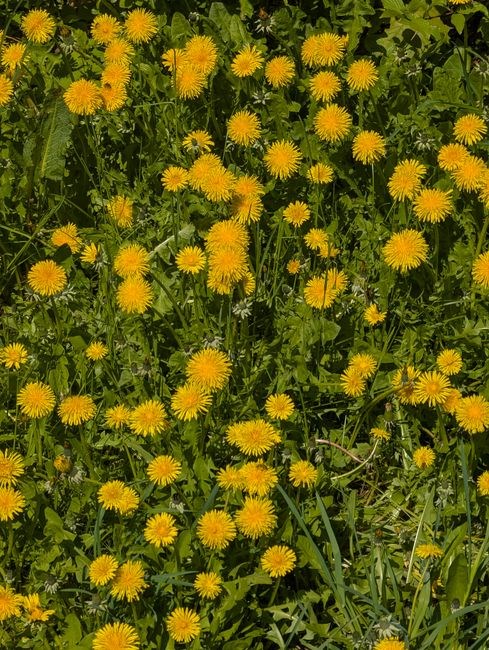
Par 3 weed killer provides a natural‚ low‑toxic alternative for gardeners seeking to control unwanted plants without relying on commercial herbicides. Its blend of vinegar‚ magnesium sulfate‚ and a mild surfactant targets broadleaf weeds by disrupting cell membranes and metabolic processes‚ while leaving turf largely unharmed when applied correctly. Because the solution is biodegradable‚ it poses minimal risk to soil microbes and surrounding flora‚ making it a sustainable choice for eco‑conscious landscapes. Users should still exercise caution by testing on a small area‚ wearing gloves‚ and avoiding windy conditions to prevent drift. Proper storage in a sealed‚ opaque container keeps the mixture stable for up to a month‚ and any unused portion can be discarded safely. By incorporating Par 3 into a regular maintenance routine‚ gardeners can achieve a cleaner‚ greener yard while reducing chemical exposure and supporting environmental stewardship. Test on a small patch first. Because it is made from everyday household items‚ the cost per gallon is negligible compared to commercial herbicides‚ making it an economical choice for large areas. Its low toxicity also means that pets and children can be around the treated zones without risk‚ provided the solution has dried. Moreover‚ the absence of persistent chemicals helps maintain soil biodiversity‚ supporting beneficial insects and earthworms that contribute to healthy plant growth. Enjoy greener‚ safer garden now.